

The cyber landscape is evolving at an unprecedented rate. Can Bangladesh keep up?
Think back a decade. For most of us in Bangladesh, a "cyber threat" usually meant a hijacked Facebook account or a clumsy phishing email in our spam folder. Today, the reality is fundamentally different. We now have over 122 million people browsing on their phones and roughly 90 million monthly active mobile financial accounts processing daily transactions. As the government rapidly expands its digital platforms under the Smart Bangladesh vision, our national attack surface has exploded. This digital transformation has delivered undeniable economic and social gains. However, the security investments required to protect that progress are lagging. The fallout is clear: attacks are becoming more frequent, highly sophisticated, and incredibly expensive. For most organizations in 2026, the question is no longer if they will be breached. It is when the next major incident will happen, and how quickly they can bounce back.
Why Cyber Threats Will Continue to Grow
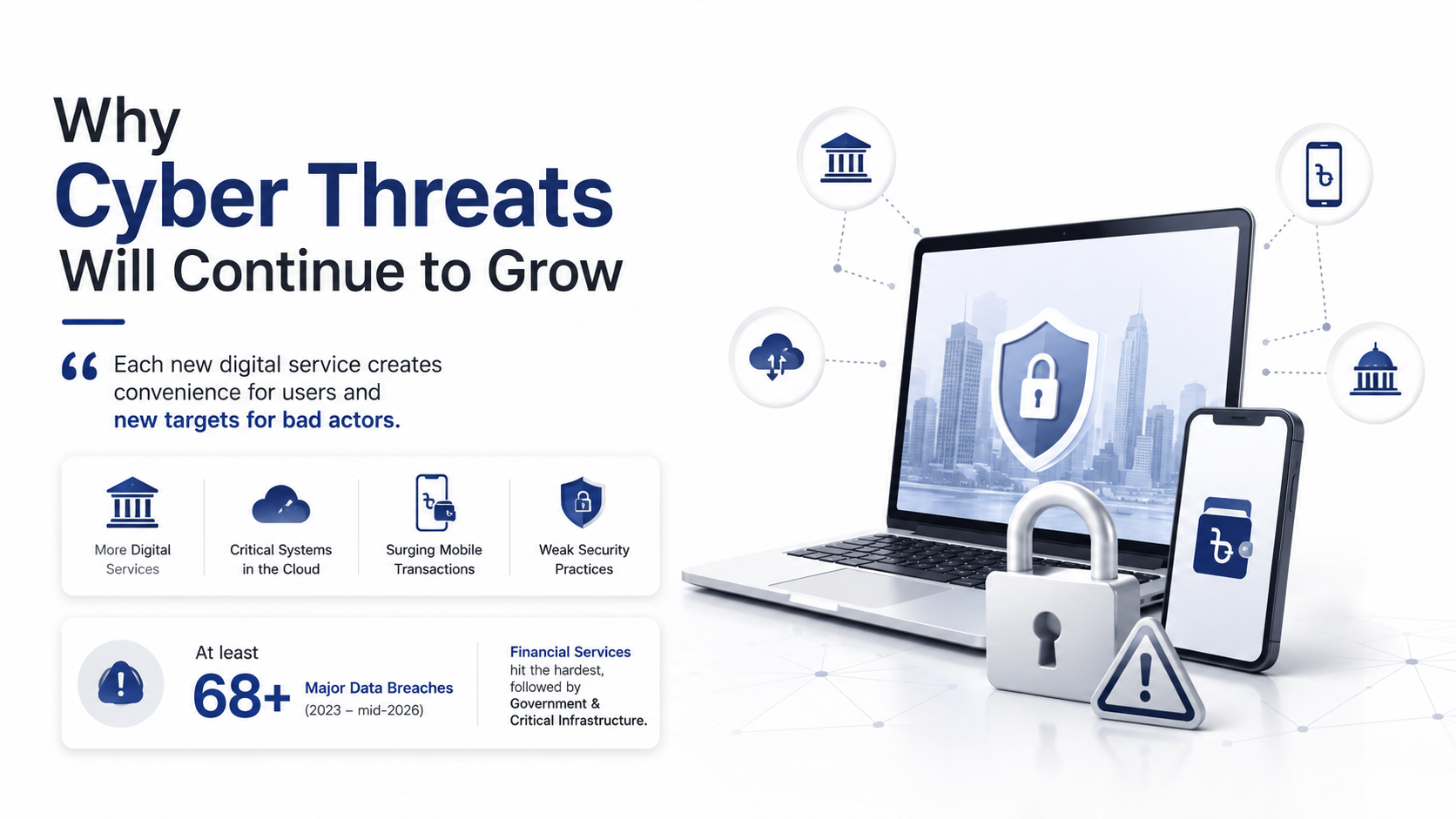
'Each new digital service creates convenience for users and new targets for bad actors.'
Banks have expanded internet and mobile banking. Businesses have moved critical systems to the cloud. Hospitals digitize patient records and government portals are taking civic services online. Meanwhile, mobile financial services—like bKash, Nagad, Rocket, and Upay—are processing staggering volumes of daily transactions.
Despite this, far too many organizations are still relying on weak passwords, unpatched software, and skeleton IT crews with limited monitoring capabilities. Combine this with a persistent shortage of skilled cybersecurity professionals, and you have a perfect storm. Attackers know this. They always take the path of least resistance.
Between 2023 and mid-2026, independent analyses documented a continuous spike in severe cyber incidents across both government and private sectors. Ask anyone in the industry, and they will tell you the true number—especially among small and medium enterprises (SMEs)—is substantially higher. Financial services take the brunt of these attacks, closely followed by government agencies and critical infrastructure.
1. Phishing Has Become Smarter and Hyper-Local
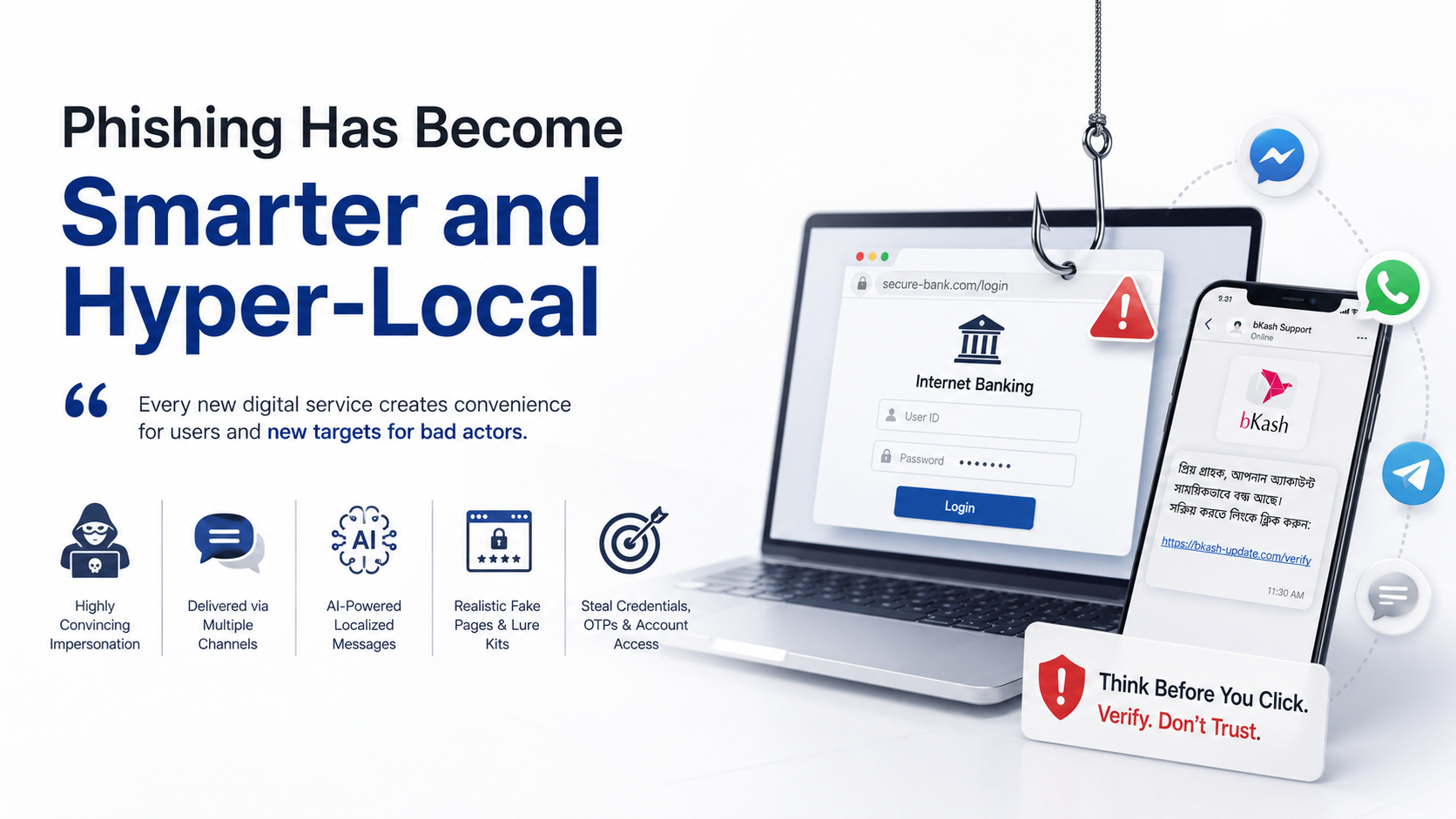
Phishing remains one of the most effective attack methods in Bangladesh. Early phishing messages were easy to spot — poor Bangla or English, obvious grammar mistakes, and clumsy design. That era is over. Modern campaigns closely imitate banks, mobile financial service providers, government agencies, universities, delivery companies, and corporate HR departments. Many phishing pages are almost indistinguishable from the real websites. Attackers now deliver links through Facebook Messenger, WhatsApp, Telegram, SMS, and email. Some campaigns use AI to generate natural-sounding Bangla messages and realistic conversation flows. Device-code phishing and encrypted lure kits targeting Microsoft 365 accounts have also appeared in regional threat intelligence. The goal is almost always the same: trick the victim into handing over credentials, OTPs, or account access themselves.
2. Ransomware Is Targeting Organizations More Aggressively
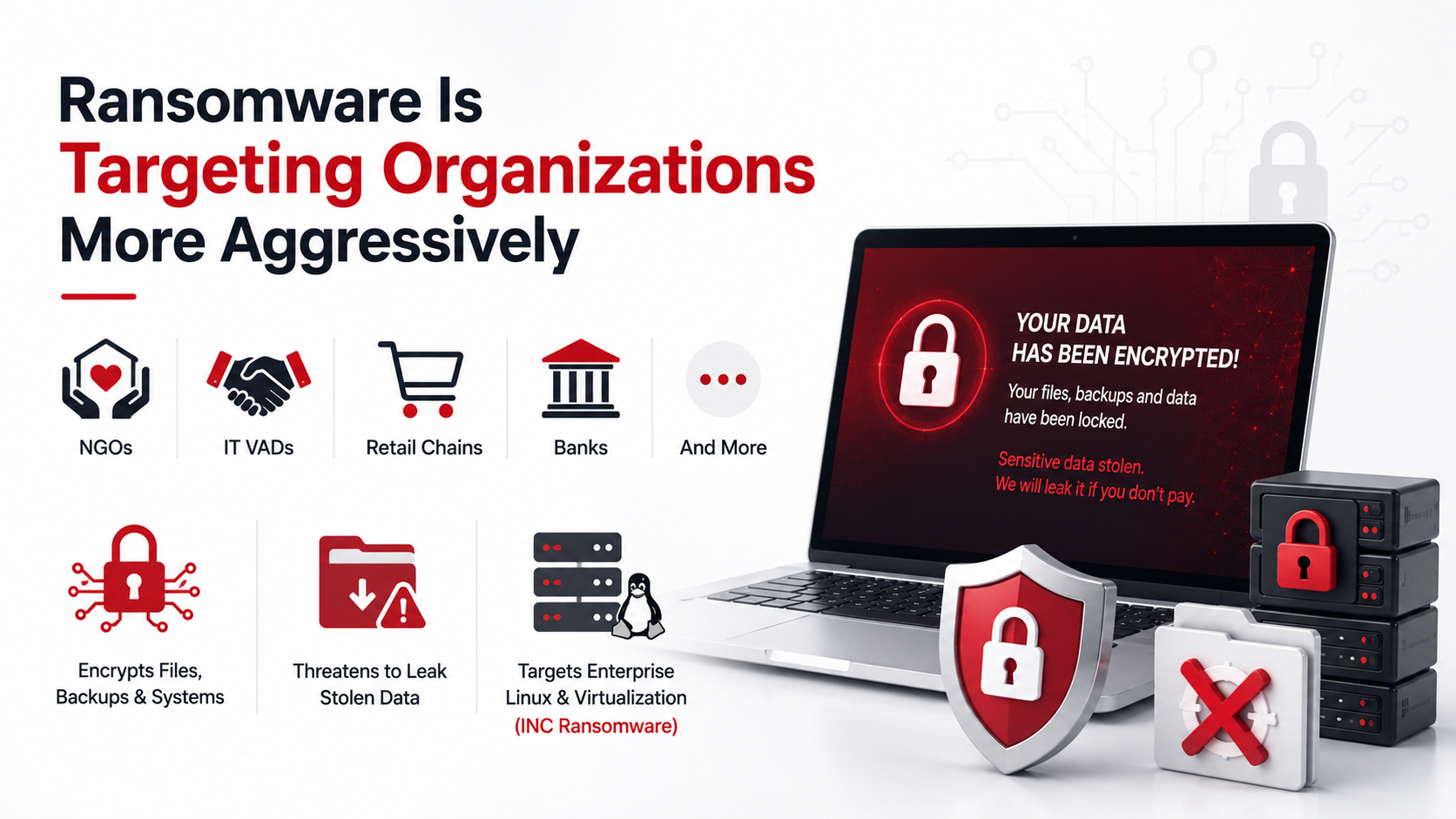
Ransomware continues to be a serious threat as attackers are targeting more organizations across different verticals. Recent ransomware attacks include incidences involving Non-Government Organizations (NGOs), IT Value Added Resellers (VADs), retail chains, and the banking sector. In addition, the latest variants of ransomware are encrypting not only files but also backups and threaten to leak sensitive data exfiltrated from the network.
In mid-2026, BGD e-GOV CIRT released a warning about the rise of the INC ransomware family that targets enterprise-grade Linux platforms and virtualization infrastructure. With the inability of organizations to recover encrypted data, ransom payments become inevitable despite the negative implications. Hospitals, educational institutions, and mid-size businesses remain the most common victims due to limited incident response capabilities and poor backup policies.
3. Data Breaches Continue at Scale
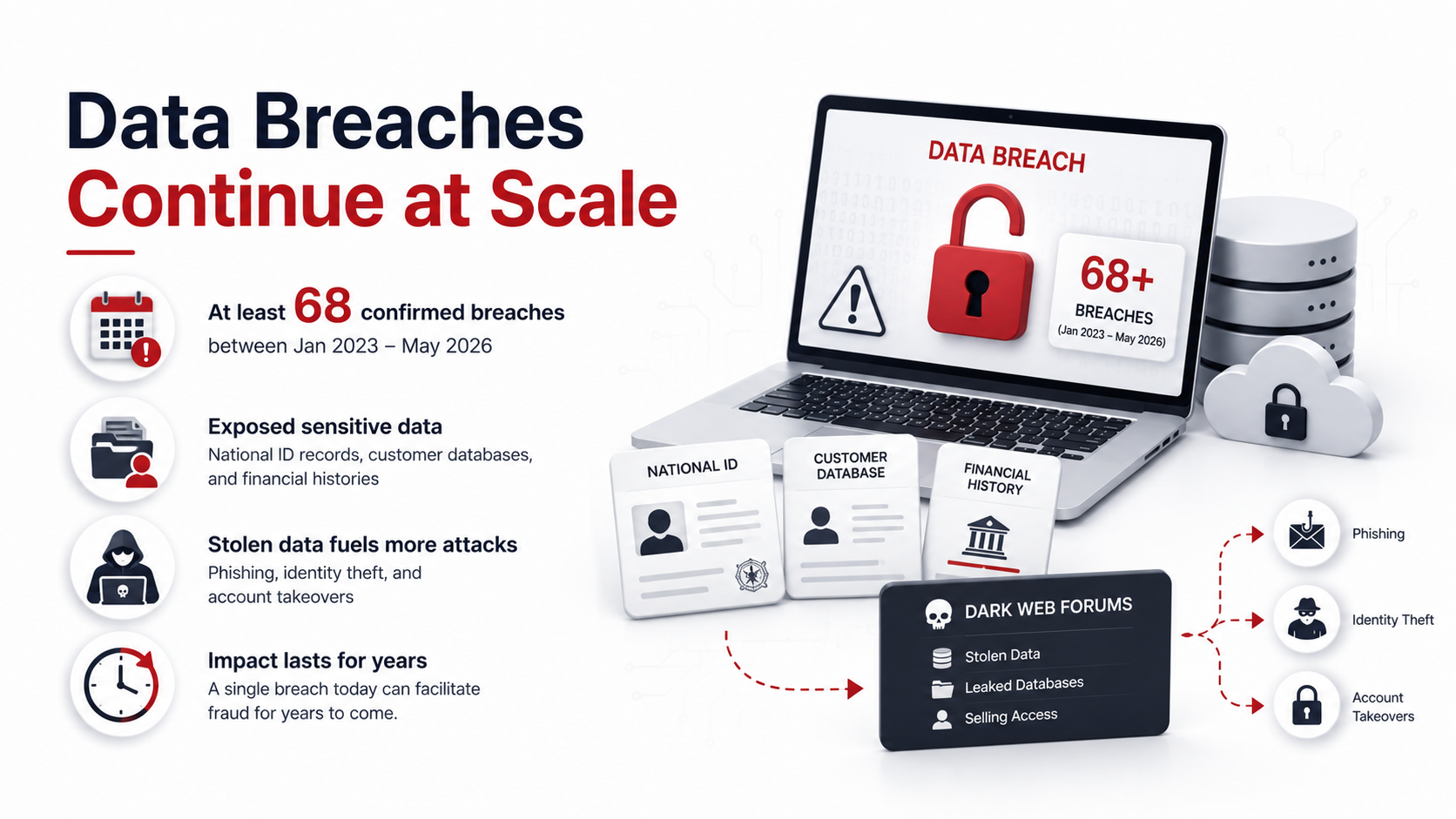
Massive data exposures are an ongoing plague. Between January 2023 and May 2026, at least 68 confirmed breaches exposed a treasure trove of sensitive data, including National ID records, customer databases, and financial histories. This exfiltrated data inevitably ends up on dark web forums. From there, it acts as fuel for future phishing campaigns, identity theft, and account takeovers. A single breach today can facilitate fraud for years to come.
4. MFS Fraud is More Sophisticated Than Ever
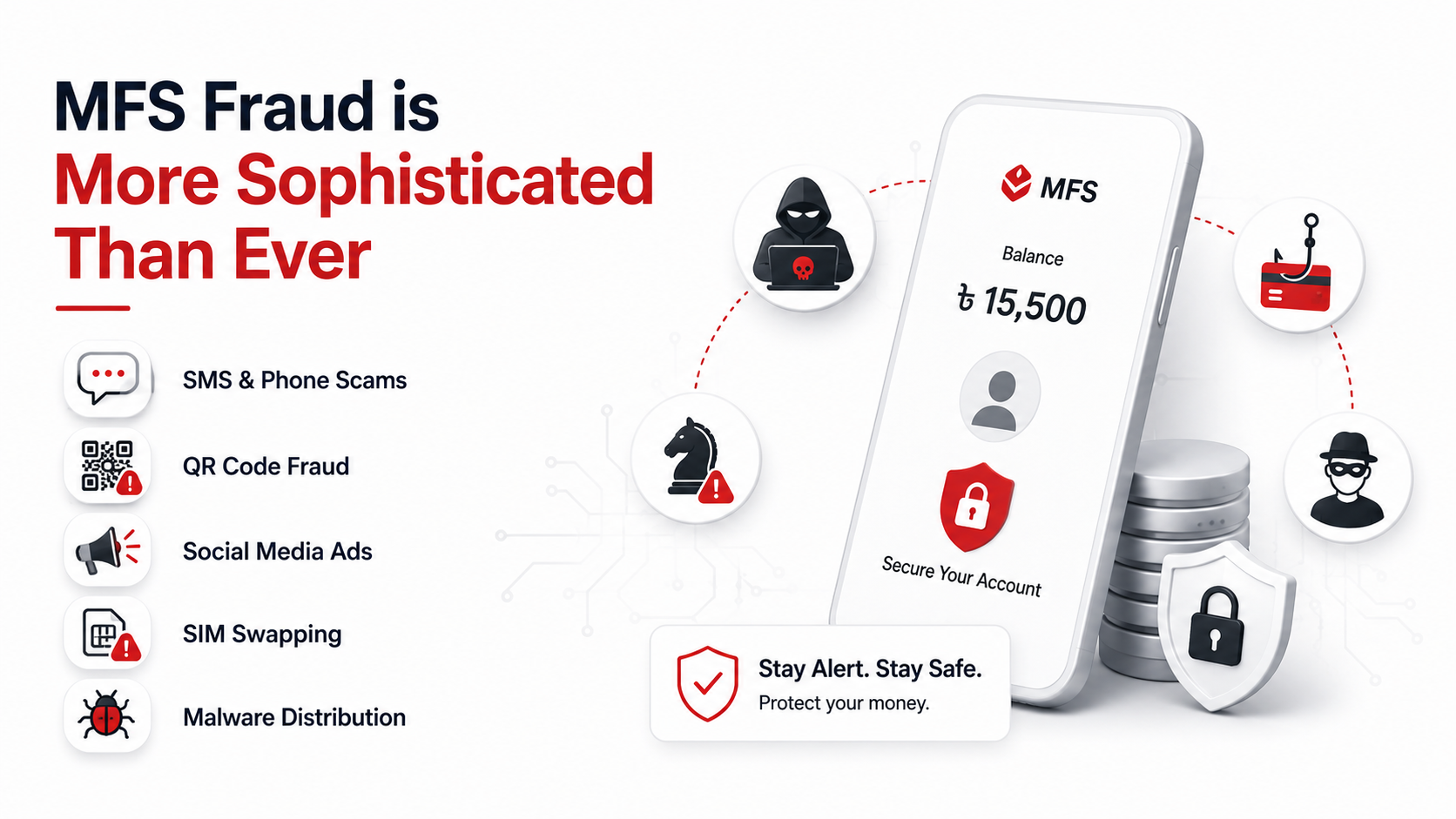
Bangladesh has one of the most vibrant mobile financial service ecosystems in the world, making it a primary target for bad actors. However, instead of targeting the core banking systems, fraudsters are focusing on customers and agents. SMS and phone scams, QR code fraud, social media ads, SIM swapping, and malware distribution are the most common techniques. For instance, the SikkahBot malware family targets students using fraudulent education-board and scholarship applications to steal banking SMS and conduct unauthorized transactions on their mobile financial service accounts. In Bangladesh, most cyber incidents reported are related to financial fraud, with public awareness and advanced authentication mechanisms being some of the best defenses.
5. AI Is Accelerating Both Attacks and Defense
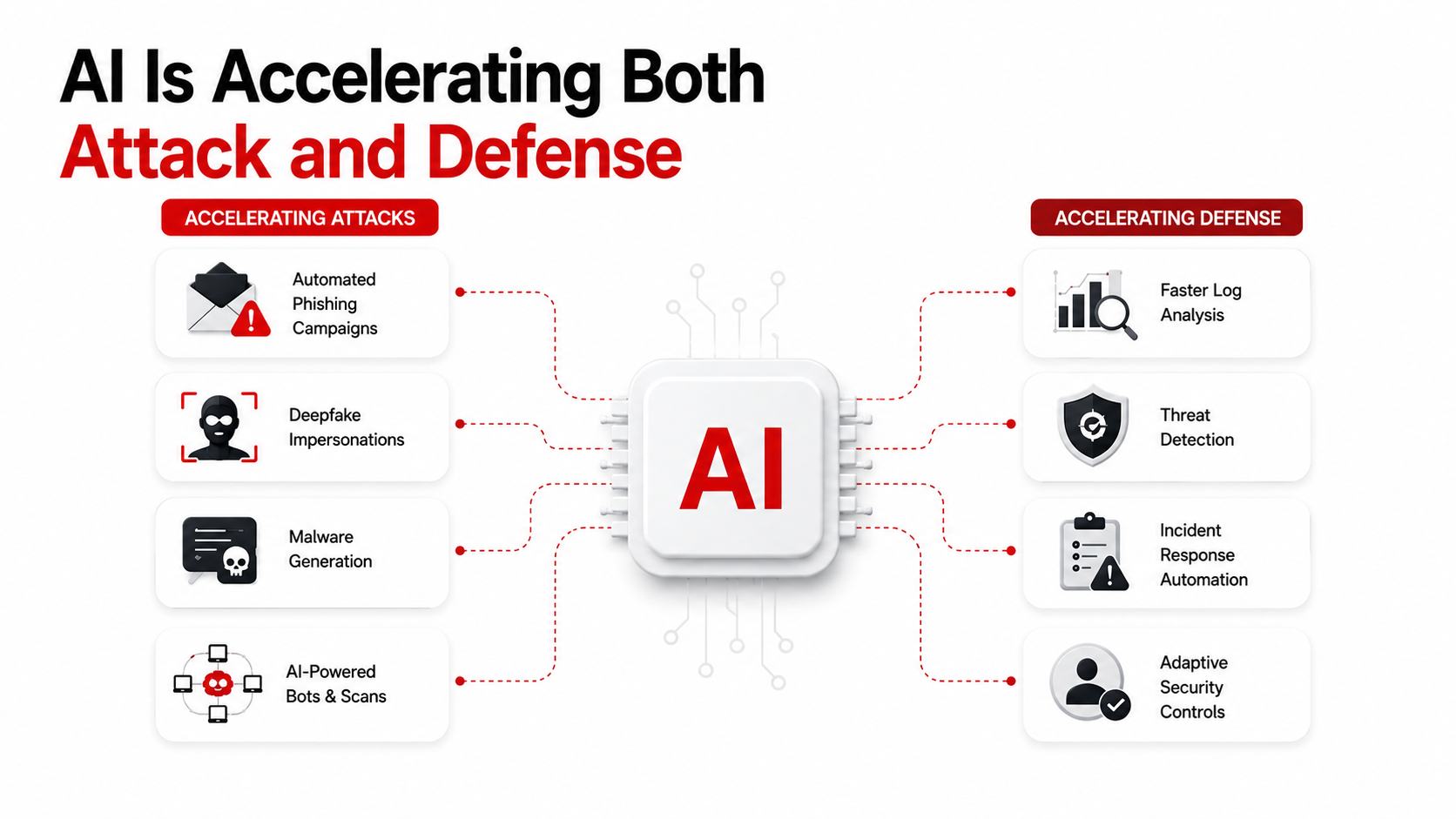
Artificial intelligence is entirely reshaping the battlefield. On the defense side, cybersecurity teams are using AI to accelerate log analysis and hunt for threats faster. But threat actors are using those exact same tools to scale up automated phishing campaigns and generate deepfake impersonations.
A recent assessment of the local banking sector revealed a troubling reality: while most professionals know AI-driven threats are here, very few actually feel equipped to stop them. It is a classic arms race, and the winner is usually the side that adapts the fastest.
6. Cloud Security Misconfigurations Are Common
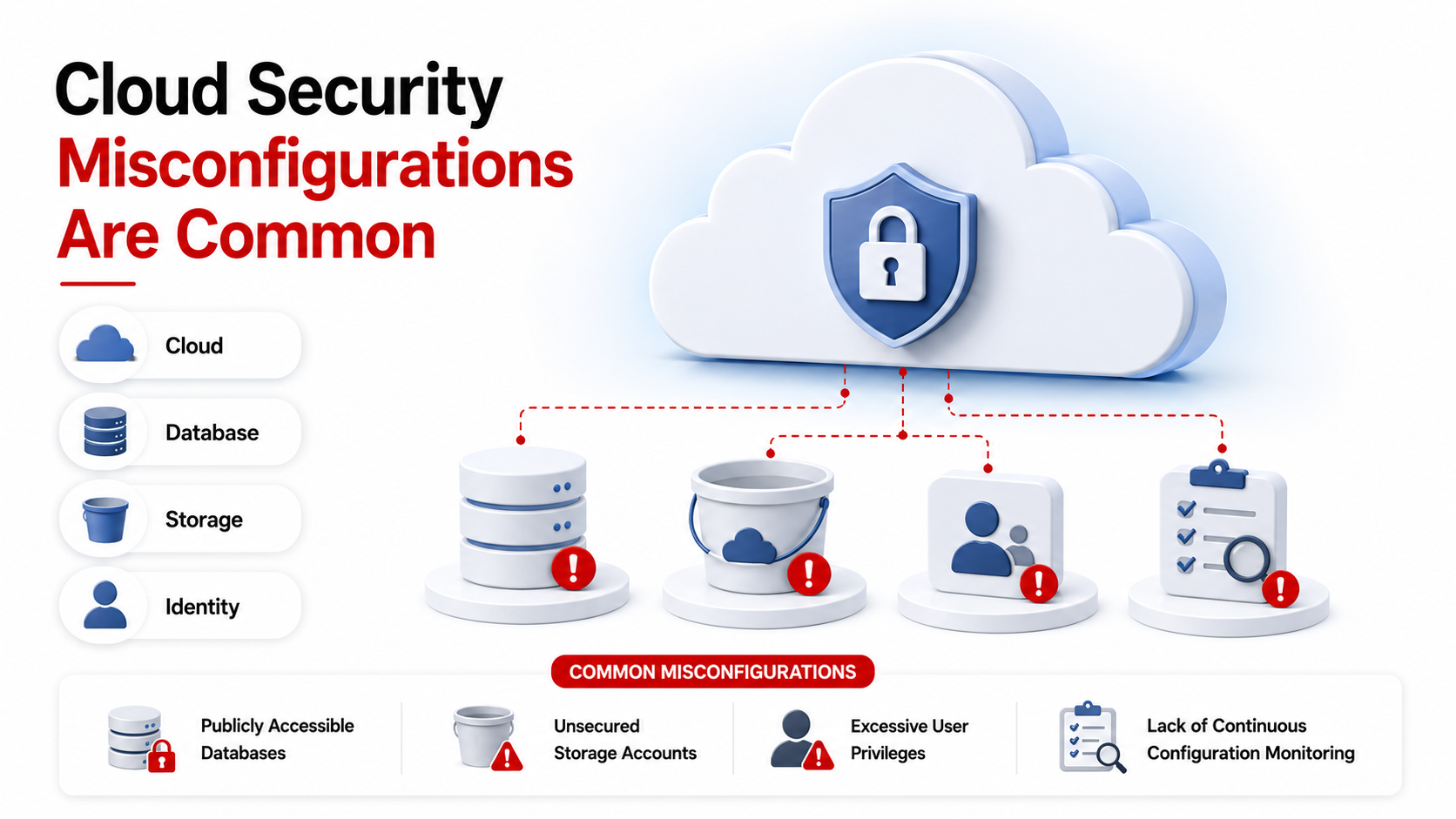
As local businesses rush to the cloud for its scalability, security often takes a backseat.
Too often, organizations leave sensitive databases publicly accessible, fail to secure storage accounts, or give users excessive privileges. Attackers rarely need complex hacking skills to exploit these environments; they just walk through doors that were accidentally left open. Continuous configuration monitoring isn't optional anymore—it is mandatory.
7. Supply Chain and Third-Party Risks Are Rising
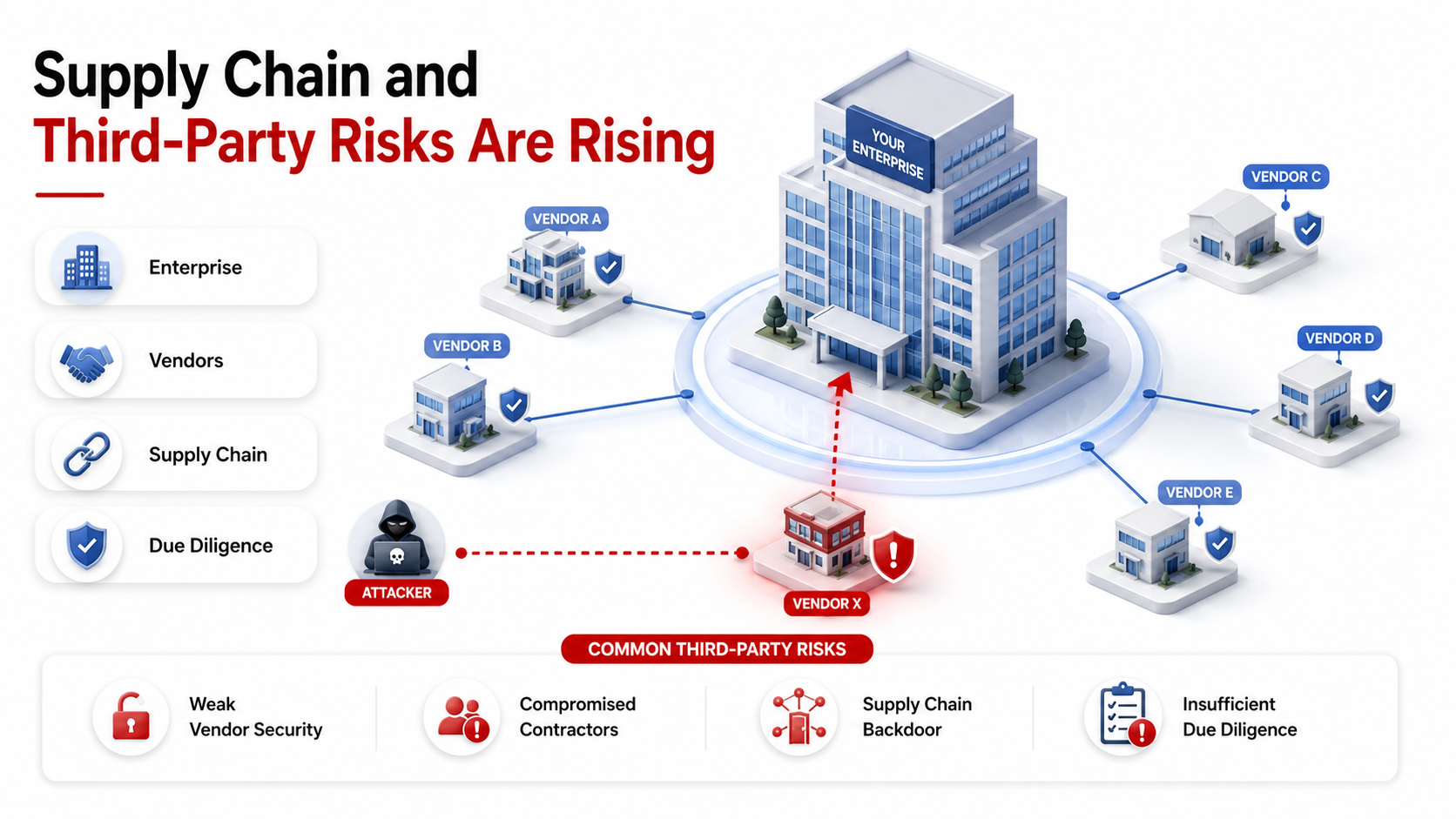
You might have a digital fortress, but what about your vendors? Organizations routinely underestimate the risks posed by third-party contractors and service providers. A single weak link in the supply chain can grant an attacker a backdoor into your entire network. Over the last few years, we've seen a spike in attacks targeting smaller, less-secure third-party providers specifically to gain access to their larger enterprise clients. Strict third-party due diligence needs to be baked into every organization's strategy.
8. Insider Threats and Access Management Gaps Persist
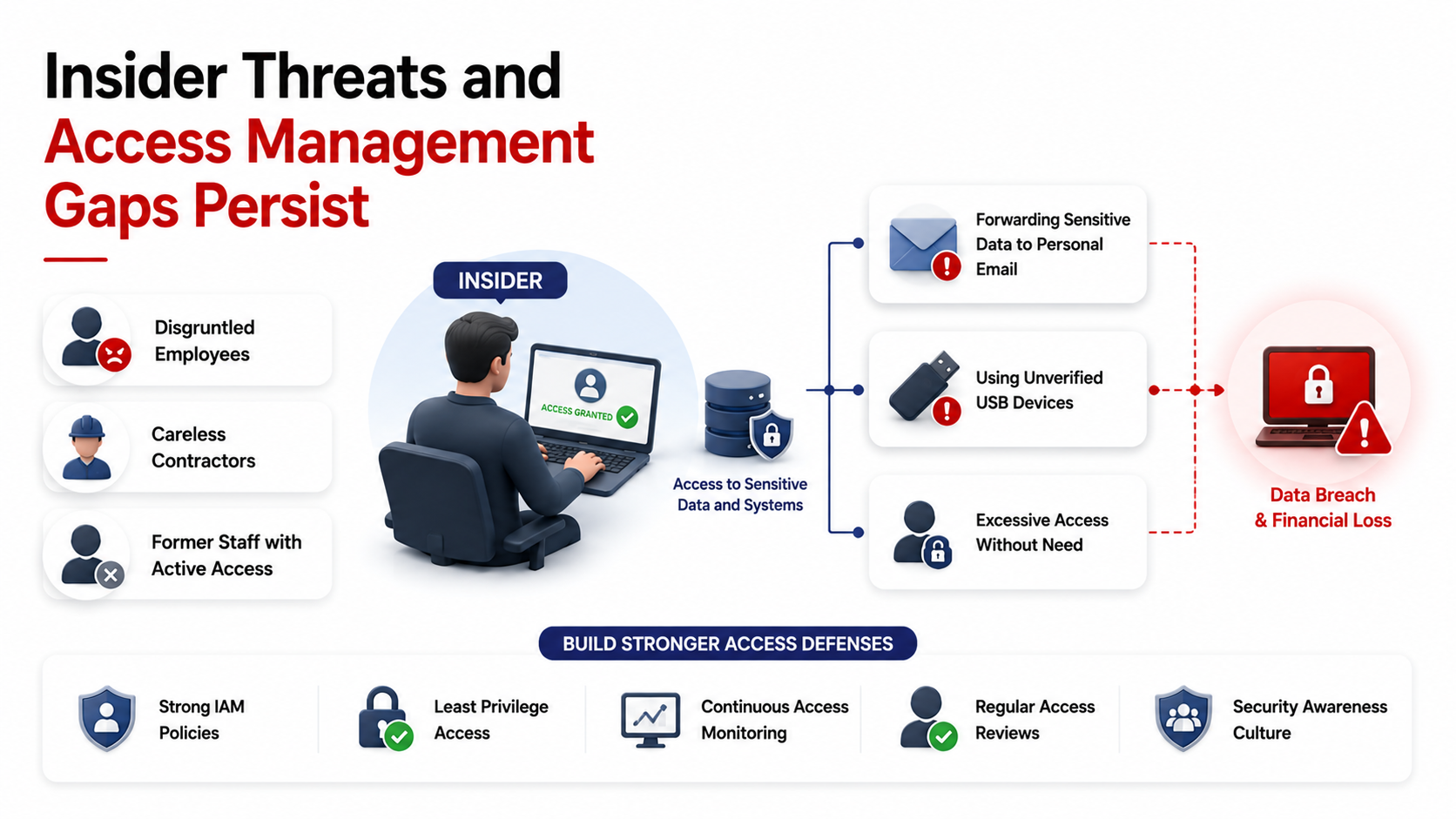
Not every attack comes from the outside. Disgruntled employees, careless contractors, or former staff with active login credentials pose a massive risk. It only takes one lapse in judgment—like forwarding a sensitive document to a personal email or plugging in an unverified USB drive—to trigger a devastating breach. Strong identity and access management (IAM) protocols, combined with a culture of security awareness, are essential.
What Organizations Should Prioritize in 2026
Organizations need to rethink their approach to cybersecurity and elevate it to the boardroom level. The following measures remain the most cost-effective ways to reduce cyber risk:
Enforcing Multi-Factor Authentication (MFA) across the board.
Patching software and operating systems religiously.
Running continuous, engaging security awareness training for all staff.
Maintaining tested, offline (immutable) backups.
Adopting a Zero Trust network security model.
Aligning with regulatory mandates, such as the Bangladesh Bank Cyber Security Framework Version 1.0, which requires strict framework implementation and rapid incident reporting.
The most effective way to reduce cyber risk is not through perfect defense but rather by ensuring rapid detection and response.
What Users Can DoCyber hygiene starts at home. Here are practical ways to protect yourself:
Use a trusted password manager to generate and store unique passwords.
Turn on MFA for every critical account.
Never share your One-Time Passwords (OTPs).
Scrutinize URLs and sender addresses before clicking anything.
Only download apps from official stores.
Treat urgent messages asking for money or personal data with extreme skepticism.
Cybersecurity is a shared responsibility, and every individual must play their part in staying safe online.
Looking Ahead
Bangladesh has an incredibly bright digital future. The widespread adoption of MFS and e-government platforms will continue to drive economic growth.
However, the threats are evolving alongside our tech. Social engineering is more personalized, ransomware is more destructive, and AI is amplifying it all. But there is good news: our defensive capabilities are maturing. Local organizations are implementing stricter access controls, regulatory frameworks are raising the bar, and everyday users are becoming savvier about spotting scams.
Ultimately, cybersecurity is a team sport played with people, processes, and technology. As Bangladesh pushes forward with its digital agenda, vigilance and continuous investment will be the keys to protecting our progress.